
Asbestos is a carcinogen. Unfortunately, before this realization, approximately 30 million tons of asbestos were used in the construction industry prior to 1973. It’s use in fireproofing, ceiling tiles and insulation continued until 1978. As a result, there is a direct threat to public health in many industrial, commercial and residential settings. Numerous hospitals, schools, airports and office buildings are a menace to those who use them, simply because asbestos was employed in their construction. Knowledge of the Asbestos danger has created a real need for its careful and swift elimination. Asbestos is a broad term encompassing a group of magnesium-silicate minerals. This group includes chrysotile, crocidolite, amosite, anthopylite, tremolite and actinolite, all of which consist of delicate fibers that are freed by crushing rock and separating them from the surrounding material. Due to certain physical characteristics, Asbestos was considered to be a great asset to the construction industry. Used in the manufacture of insulation, ceiling and floor tiles, textiles, fireproofing and soundproofing. Asbestos enjoyed immense popularity until its most serious characteristic was discovered.
ASBESTOS IS A HEALTH HAZARD
Asbestos has been proven to cause disabling respiratory disease and various types of cancers. Although Asbestos was linked to a" sickness of the lungs" as early as the first century, the first detailed medical reports classifying Asbestos as a harmful material did not occur until 1900 . Around 1930, medical reports described a fibrous lung disease that caused the early death of workers in the asbestos industry.
ASBESTOSIS
Asbestosis is pulmonary fibrosis caused by the scarring effect of asbestos fibers in the lower part of the lungs. This disease is often progressive even if exposure to asbestos has ceased. In severe cases, death may be caused by respiratory or cardiac failure.
MESOTHELIOMA
Mesothelioma is a rare cancer of the surface lining cells of the pleura and the peritoneum. It is almost completely associated with asbestos exposure. The most disturbing feature of this disease is that low level exposure can cause it to occur. More than half of those affected with this disease will die within one year of diagnosis with few lasting more than two years.
LUNG CANCER
Lung cancer, unlike mesothelioma and asbestosis, is not caused solely by exposure to asbestos. However, asbestos can be linked to increased rates of this disease. Lung cancer accounts for 36% of all cancer deaths in the United States and is the major killer associated with asbestos exposure.
OTHER CANCERS
As inhaled asbestos fibers travel throughout the body, other forms of cancer may develop. Cancer of the gastrointestinal tract, latynx, oral cavity, phatynx, esophagus and kidney have all been linked to asbestos.
REMOVAL OF ASBESTOS
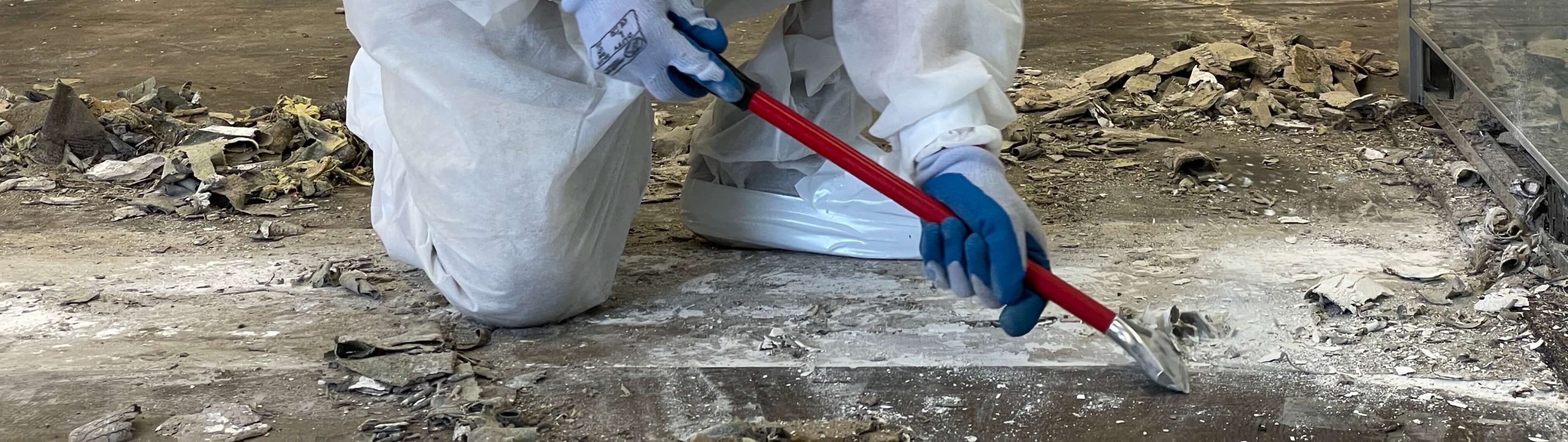
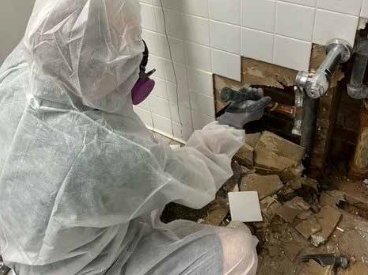
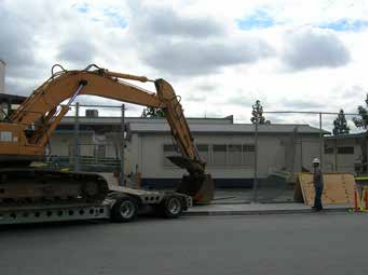
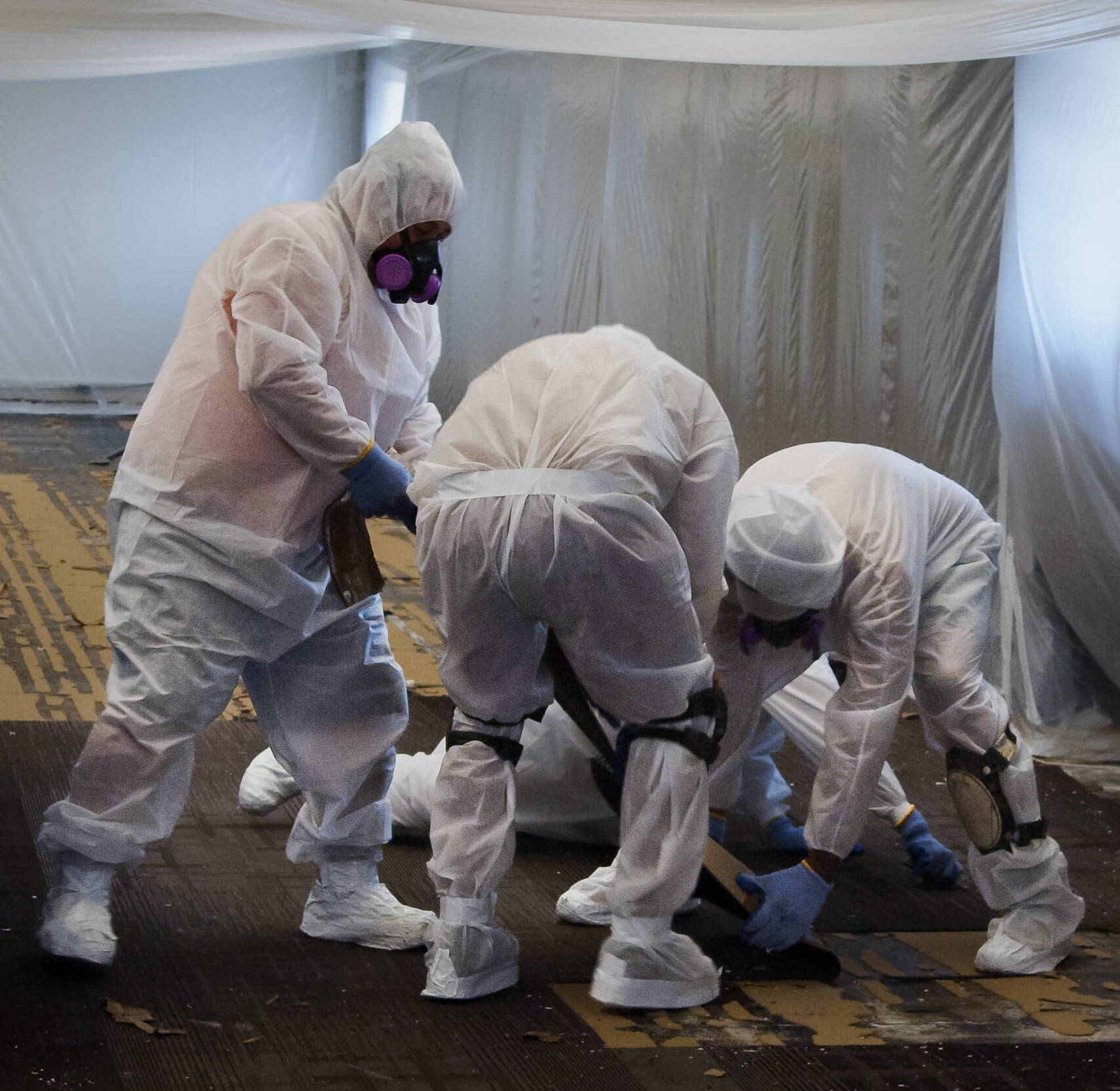
Removal is the stripping of the asbestos containing material and its elimination from the premises. This is, by far, the most preferred and desirable method since it is the complete and permanent solution to an asbestos problem. However, asbestos removal is also the most costly since it involves technical equipment and stringent worker procedures to ensure safety. To understand why asbestos abatement costs seem high is to understand what is involved. For example, in removal, the basic course of action will include the following:
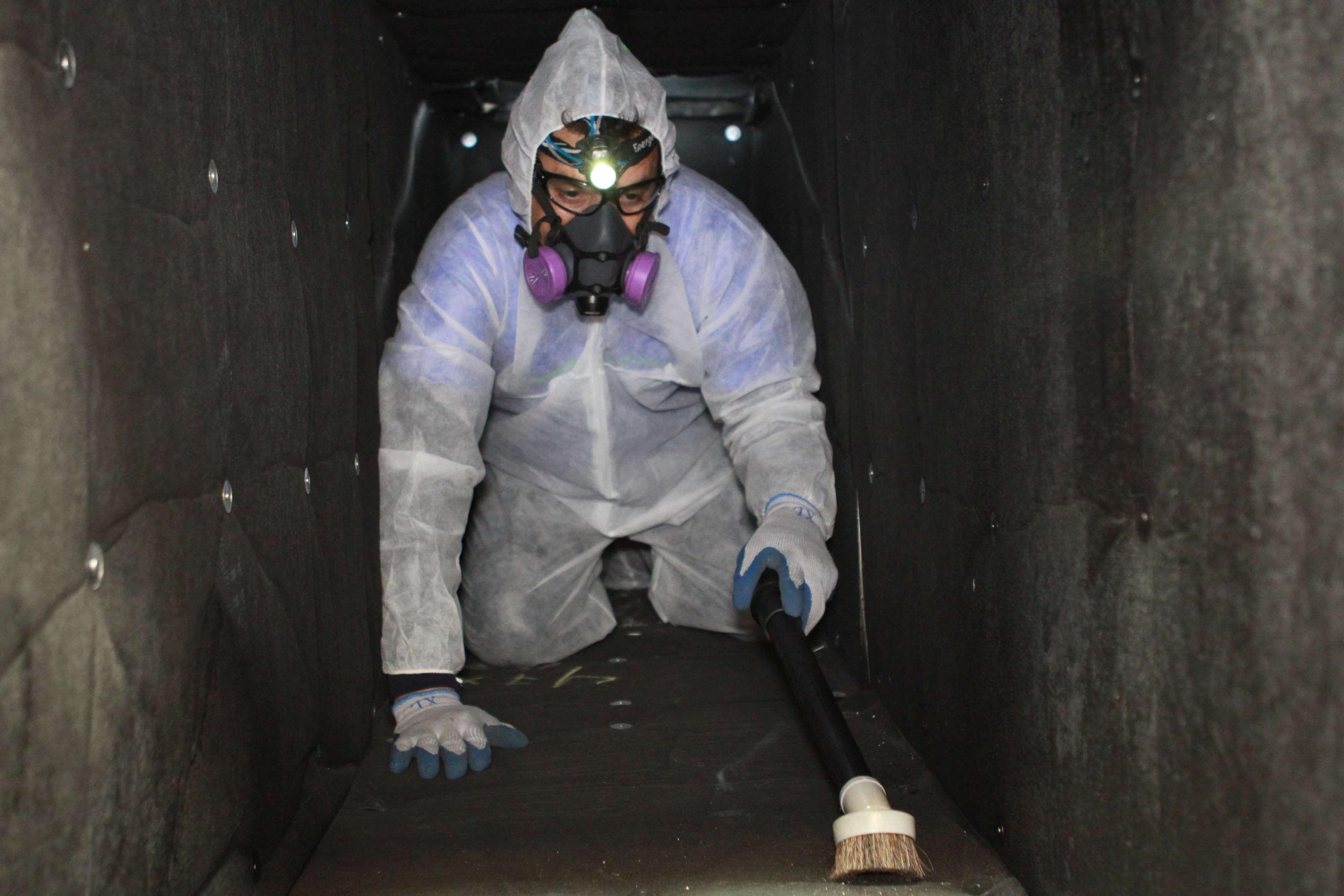
Containment barriers must be constructed around the work area. Air locks are built in for entry of personnel and equipment. A decontamination and shower facility must be set up because workers must shower every time they leave the work area. Workers are required to wear respirators and disposable suits. Containment barriers must be continually inspected for tears and must be repaired immediately.
Negative pressure containment must be initiated to control the release of fibers from the work area. Continuous air monitoring must be maintained inside the work area, outside the work area, and after removal by personnel. Asbestos containing material must be wet down prior to removal with a wetting solution and then may be scraped or cut from the surface to which it adheres.
All debris is placed in air-tight containers and is taken by a certified waste hauler to an approved disposal site. Thorough cleanup must be done after removal which includes air filter vacuuming and wet mopping of all surfaces. All barriers are disassembled and disposed of as hazardous waste.